
Project
Isando Cell
Notes for an Isando SMT cell, focused on feeder setup, changeovers, and board flow for South African electronics teams.
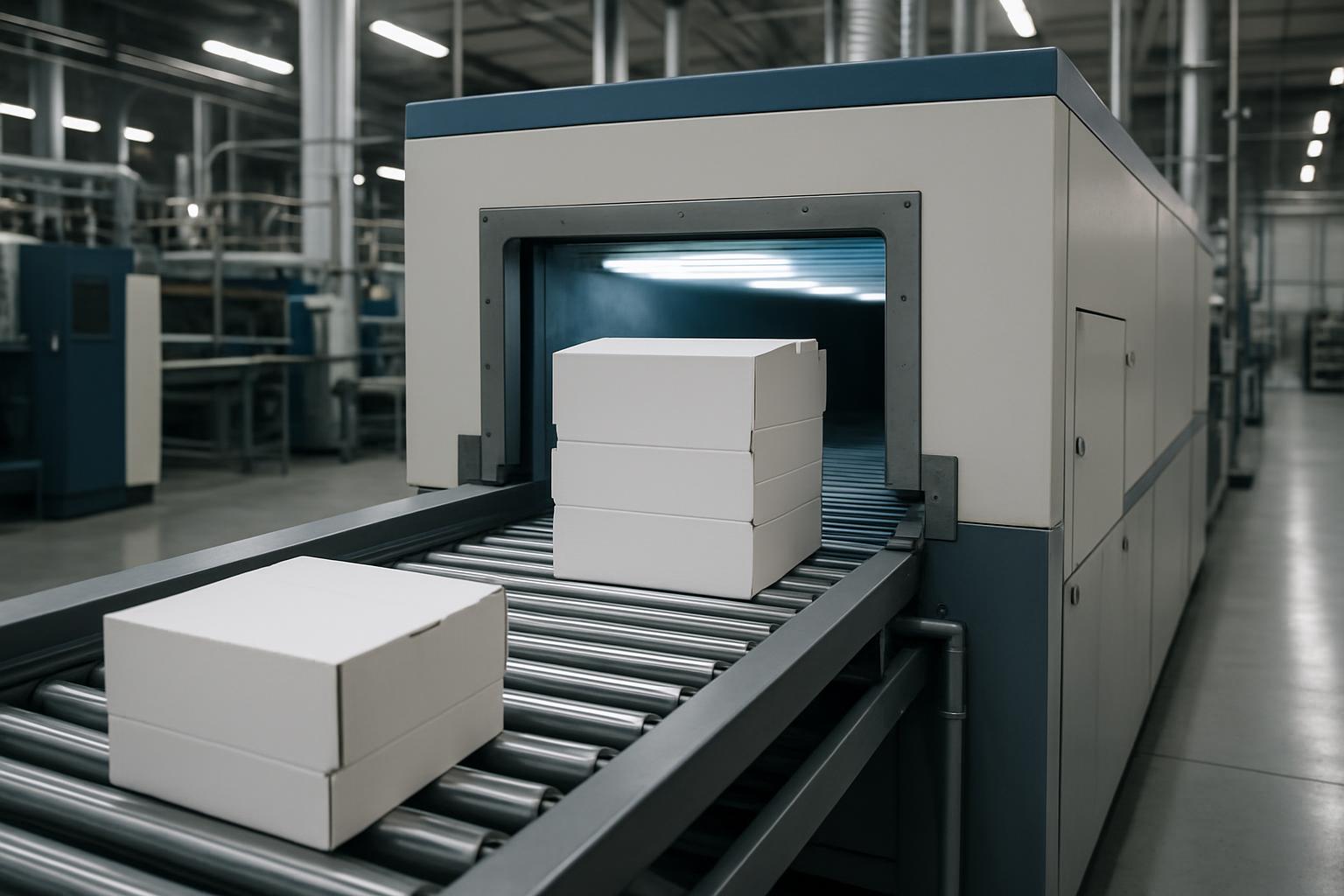
Isando feeder bench and board route
Isando Cell covers the practical flow inside an SMT cell near Isando. It looks at feeder setup, changeovers and board movement so the line stays organised between runs.
Map the board path from loader to unload point before the first reel is mounted. In Isando, line planning often has to account for airport freight arrivals, warehouse traffic around Spartan and Jet Park, and short stoppages that break feeder sequence. Include the PCB size, component mix, stencil status, and the shift slot so the cell can be set without guesswork.
Take clear photos of trolley positions, feeder banks, and the first good board before output climbs. That record matters when an operator change happens mid-shift or when a misplaced reel creates a repeatable pick error. Keep the image set with the job paperwork so restart conditions match the earlier setup.
What the Isando note captures
The team needs feeder locations, changeover order, and the handoff points between placement, inspection, and packing. Record which references were verified at first article and which defects were seen during the run. For this kind of SMT cell, a short usable note is worth more than a long file that nobody checks at the machine.
Link Isando Cell with the relevant reflow settings and the board-specific fault log before adding extra work to the scope. Check reel labels, machine programme name, reject counts, and packed quantities again before dispatch leaves site.
- Feeder map matched to board sequence
- First article images saved with job records
Gauteng line conditions worth noting
An Isando cell brief should mention transport windows near OR Tambo, receiving delays on inbound parts, and any space limits around the line itself. Older industrial units in the East Rand can have tight access between machine ends, stores, and packing tables, which affects trolley placement and board flow. If the line is running repeat work, separate the standing build details from the defect that needs attention now.
Dry inland dust can build up around feeder mechanisms, covers, and board sensors faster than many teams expect. After a power drop, capture the programme state, board count, and first restarted sample instead of relying on memory. Where hand placement is used for odd parts, note that station clearly so inspection does not miss mixed process faults.
Operated by Astros Marketing (Pty) Ltd from 2 Makro Place, Sunnyrock 1401.
Details to send for Isando Cell
When briefing Isando Cell, attach site photos, planned timing, and the breakdowns or rejects already picked up. Name the job properly in the subject line.
Send the machine line-up, planned changeover time, current reject types, and photos that show how feeders are arranged across the cell. Add the PCB name, revision, and any known polarity or nozzle issues so the note reflects the actual build. When buyers or production leads need support records, file it alongside the project entry and the relevant board documents.
What our SMT Line customers say
Verified Google reviews