
Board notes
Highveld Dust
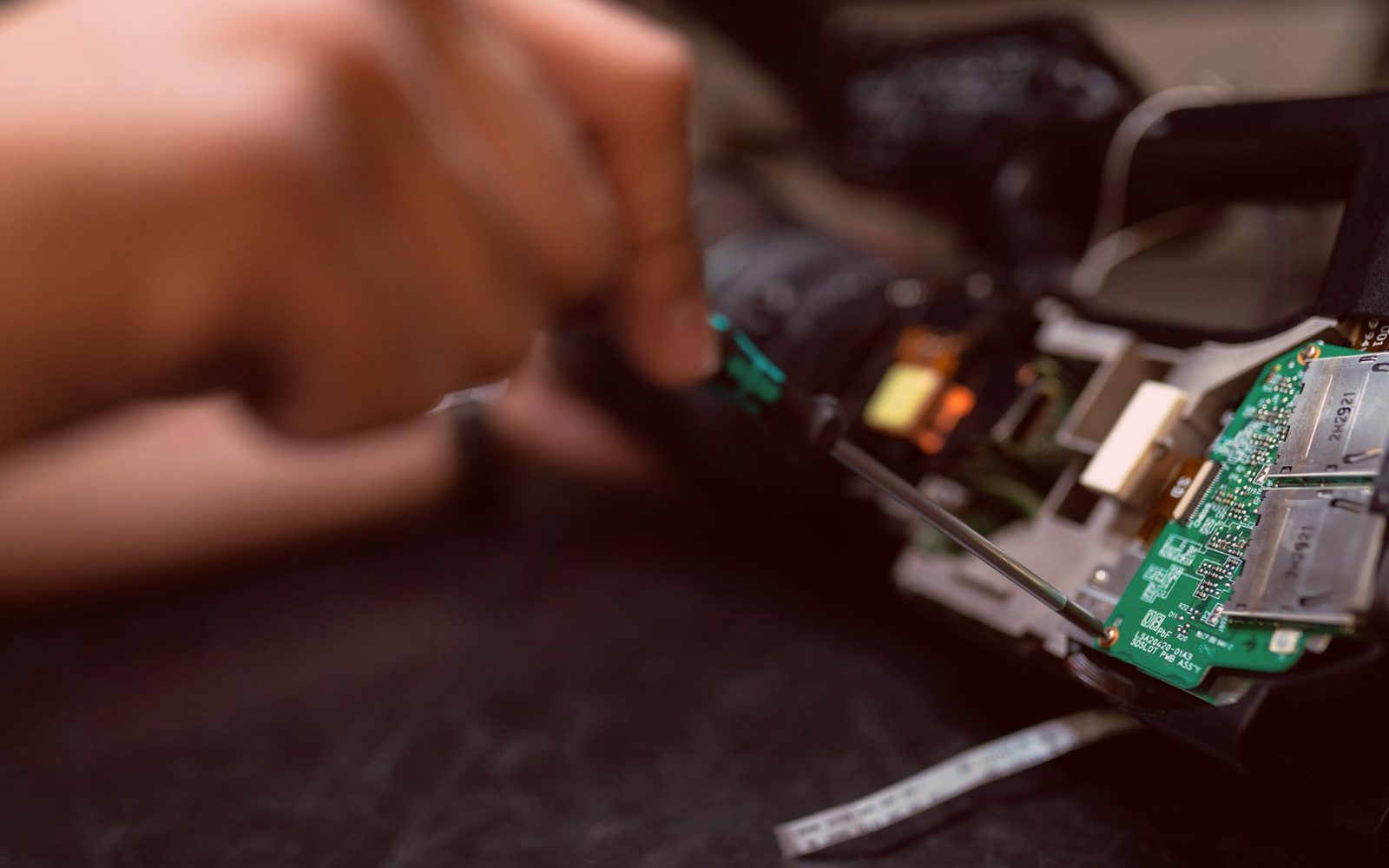
A useful floor note on Highveld dust where open reels, feeders and air paths need more attention.
On inland production floors, fine dust gets into places operators stop noticing. Highveld Dust is our note on keeping feeders, sensors, rails, open reels and bare boards cleaner through normal Gauteng conditions.
Highveld Dust is written for inland SMT conditions where fine, dry particles settle on open reels, feeder lanes and board surfaces without drawing much attention. On Gauteng sites, a note like this matters when nozzle checks stay good yet sensors, rails or air paths start behaving inconsistently.
Dust points worth recording
- Site, line and shift window logged
- Photo of feeders, rails or open reels attached
- Machine or drawing reference noted beside the issue
- Operator, technician or engineer name shown clearly
Read the linked process notes after this one. The journal places Highveld Dust in day to day SMT handling, while equipment pages relate the issue to the feeder, rail set, sensor area or air circuit involved.
How Highveld Dust shows up through a real week on the line
Highveld Dust looks at how inland dust affects open reels, feeders and machine air paths. It is relevant on Highveld sites where dry conditions can quietly add contamination to handling and placement work. Small housekeeping changes here can protect line stability.
Start by naming the board type, machine section and where contamination was first noticed. Johannesburg and Pretoria conditions can leave a light dust film on bare boards, open reels and feeder tracks, especially during dry inland spells. That changes how teams write checks for loading, placement and visual inspection.
Take the first photo before covers are wiped or reels are moved. A short note beside the machine helps the next shift see whether the concern was at the rail, feeder bank, input conveyor or an air path near sensors. That record is more useful than a memory passed over tea break.
What to look out for
Use it to narrow down recurring contamination points before they become false sensor reads, poor tape travel or unnecessary stoppages. One clear list of checks around reels, rails and air circuits is more useful than broad comments about housekeeping when placement quality is under review.
Link Highveld Dust to any related oven, handling or board entry only after the contamination source is clear. Check labels, trays and packed boards once more if dust was found near loading or depanel areas. SMT line enquiries should name the board type, the placement volume and the machines already on the line.
- Checks aimed at dry inland contamination
- First image captured before cleaning starts
- Related: Lines dust checks, Reflow air care, Board notes handling records
- Direct note sent with site-specific detail
Inland production conditions noted
Highveld sites do not behave like coastal plants. Dry air, traffic dust and older industrial buildings around Gauteng can increase contamination around reel storage, machine covers and exposed boards. That context matters when a placement issue appears intermittent rather than mechanical.
At Durban or Cape Town sites, moisture and salt often shape cleaning intervals differently. Inland dust shifts attention toward feeder lanes, sensor windows, rail edges and vacuum air movement. Load-shedding recovery can also matter, because restart checks may miss dust that built up while covers were open.
Operated by Astros Marketing (Pty) Ltd from 2 Makro Place, Sunnyrock 1401.
Highveld dust around feeders and rails
A useful floor note on Highveld dust where open reels, feeders and air paths need more attention.
File this note while the issue is still visible on the line. It pairs well with a board record when contamination was seen on bare PCB surfaces, or with a machine record when feeder motion, sensing or air flow was affected. Keep the wording tied to what was observed, cleaned and checked on site.