
Board notes
Dust Wipes
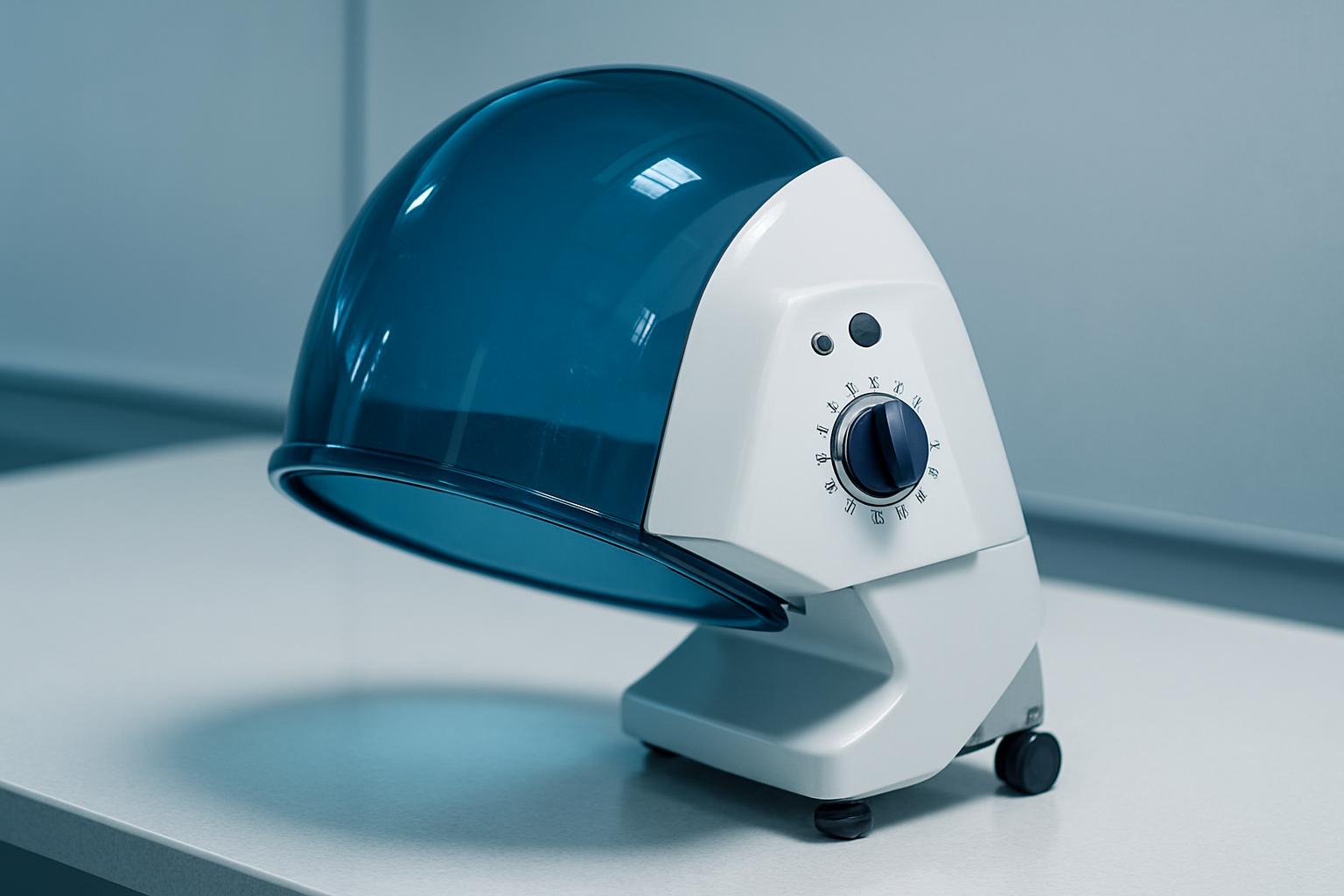
A practical note on dust control wipes, for teams keeping printers, conveyors and boards cleaner on busy electronics floors.
Dust Wipes is our note on cleaning habits around printers, placement heads, conveyors and inspection points, especially where fine dust can settle on boards, sensors and machine surfaces during the shift.
Dust control around SMT equipment needs plain records that match what operators actually see during a shift. Record wipe choice, where residue gathers first, and how dust shows up around printers, conveyors and inspection points in Gauteng, KwaZulu-Natal and the Western Cape. Send a message through the contact form if the same condition is showing on your line.
Wipe details worth recording
- Wipe material and lint rating noted
- Photo of dust build-up on rails, covers or board edge
- Machine area identified by name or drawing reference
- Operator, technician or supervisor role shown clearly
Use this note alongside equipment pages that cover printers, placement heads and transfer sections. The journal side helps when the same dust issue returns at the same station or time of day. It is more useful than a generic cleaning reminder stuck on a cabinet.
Where Dust Wipes helps during the week on the floor
Dust Wipes deals with basic wipe control around printers, conveyors and bare or assembled boards. It is written for busy electronics floors where airborne dirt builds up faster than people expect. Better wipe practice helps protect print quality and board handling.
Begin with the board type, the machine section affected, and what the wipe is meant to remove. Fine inland dust, coastal salt residue, cardboard fibres from incoming stock, and paste smears all need different handling around SMT equipment. Teams in Johannesburg, Durban, Cape Town and smaller assembly sites often see these build up in different places on the same line.
Take a reference photo before the first wipe touches the machine or board support. Mark the cloth pack or dispenser with the approved use, especially where one type is kept for stencil surrounds and another for covers, rails or inspection windows. That small control step helps stop paste, oil and dust from being spread to the next station.
What this note should leave behind
The useful outcome is a repeatable wipe routine, a simple check list, and a record of where contamination kept returning. One page that names the cloth type, the target area and the visible result helps more than vague cleaning instructions. It also makes handover easier between day and night teams.
Check Dust Wipes against the related reflow note and the matching Board notes entry when contamination appears after transfer or heat. Before packed boards leave the area, inspect rails, edge supports and sensor windows one more time. SMT line enquiries should name the board type, the placement volume and the machines already on the line.
- Wipe routine matched to printer and conveyor
- Contamination point photographed before cleaning starts
- Email trail tied to the exact machine area
Conditions that change wipe frequency
Dust control on South African electronics sites is affected by loading bays, carton handling, older buildings, and traffic between stores and assembly areas. Some lines sit close to routes where pallets, sleeves and outer packaging release fibres throughout the day. If the issue is on a mature SMT line rather than a new installation, note that early so the checks fit the equipment history.
Coastal sites may need closer attention on exposed metal surfaces, inspection windows and board handling points where salt haze settles. Inland sites often battle dry dust that collects on covers, rails, feeders and camera housings. During power interruptions, wipe timing matters because idle equipment can attract settled dirt before restart checks are done.
Operated by Astros Marketing (Pty) Ltd from 2 Makro Place, Sunnyrock 1401.
Dust Wipes for line-side control
A practical note on dust control wipes, for teams keeping printers, conveyors and boards cleaner on busy electronics floors.
It helps to log wipe use on the same day as the contamination event. Record the cloth type, whether any solvent was used, and which machine section was cleaned so the next check is based on evidence rather than memory. That creates a clearer link between board quality, handling practice and housekeeping around the line.